
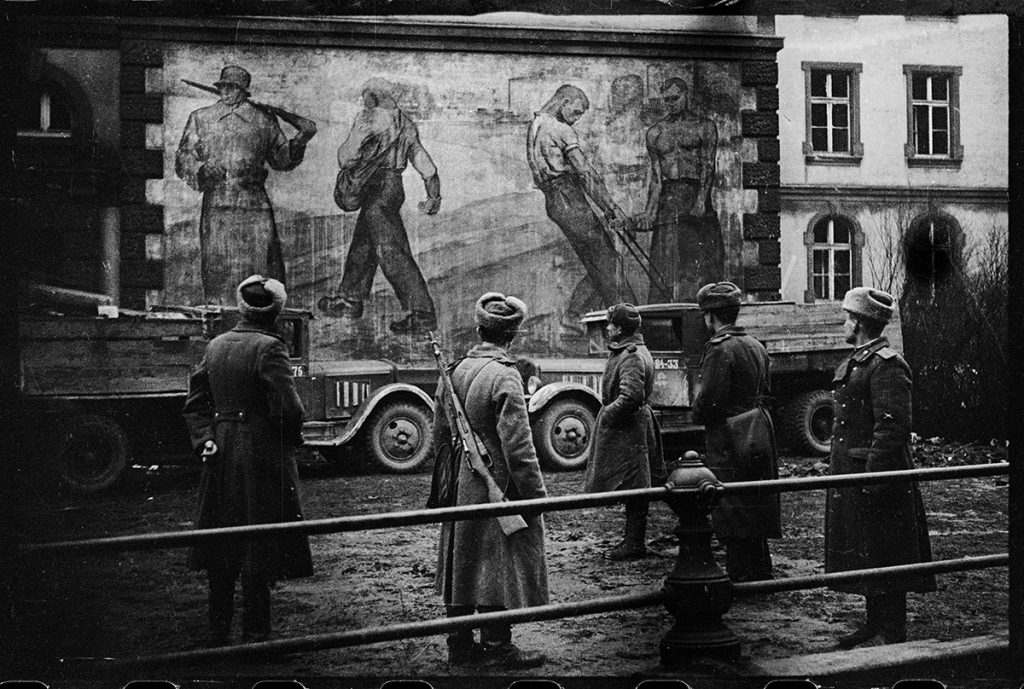
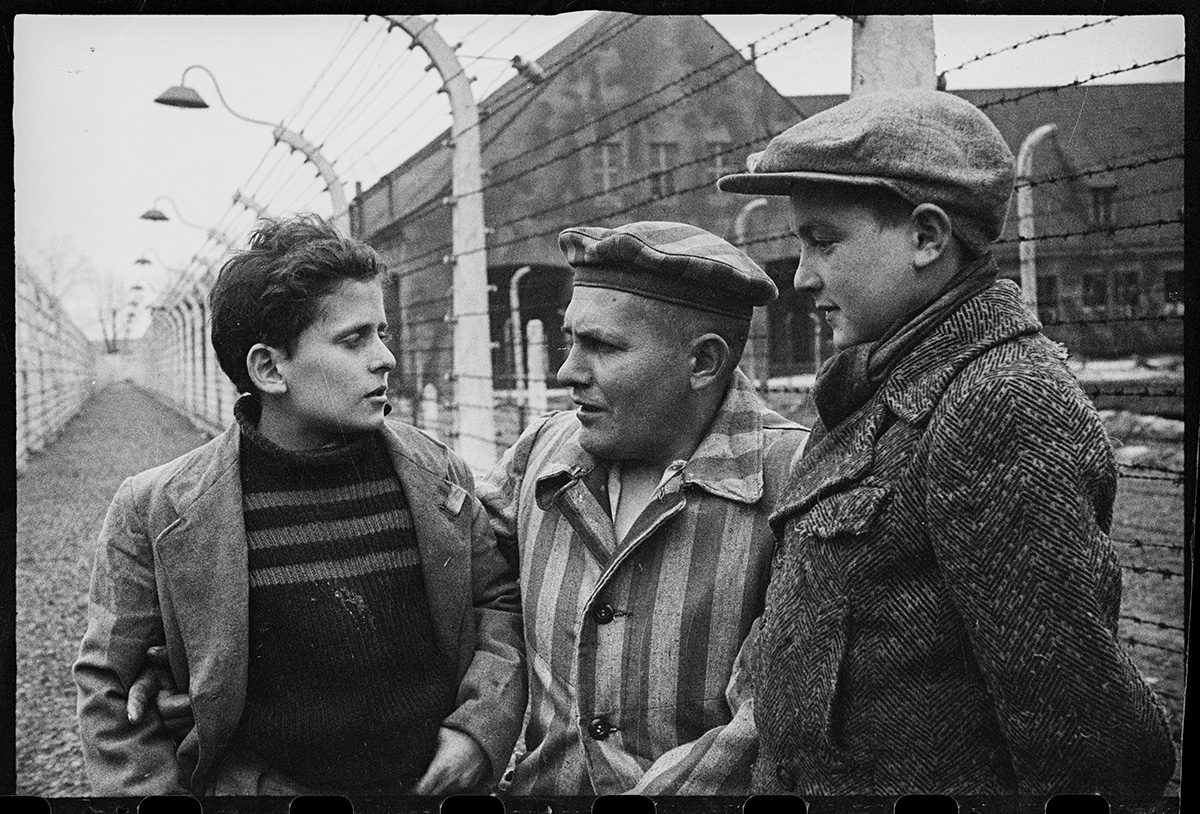
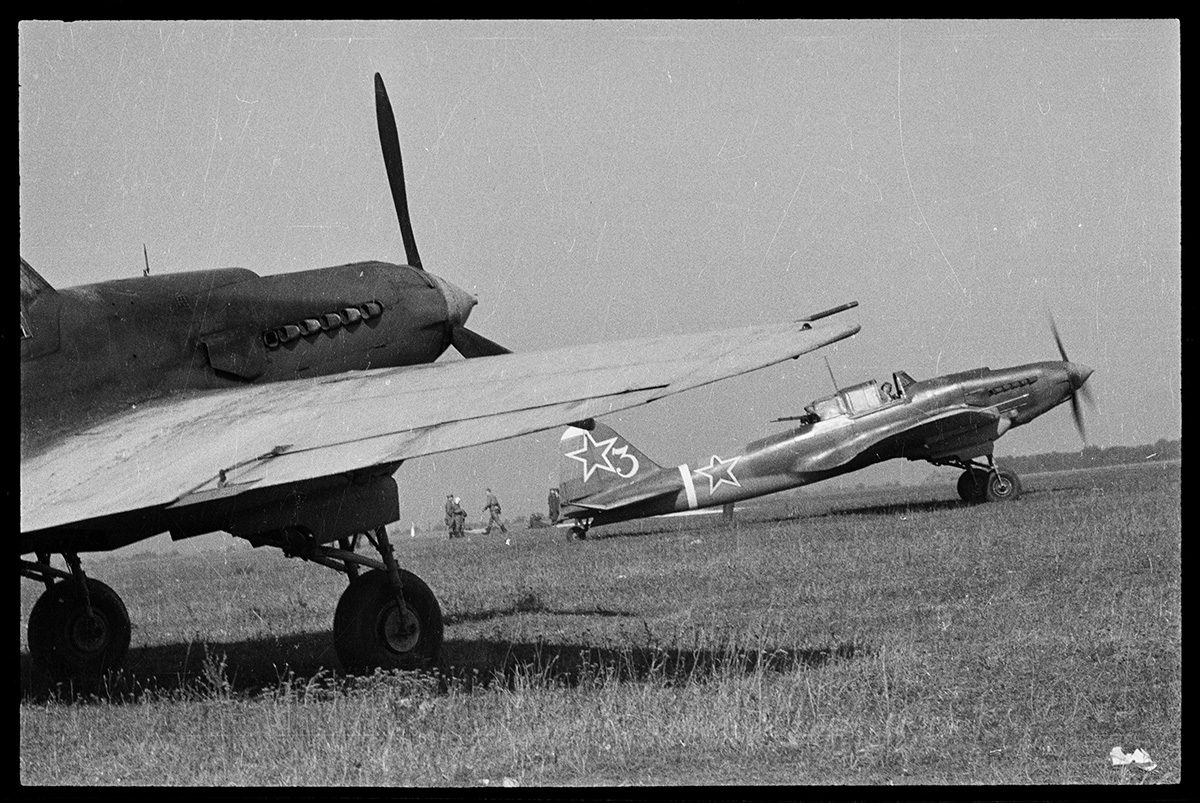
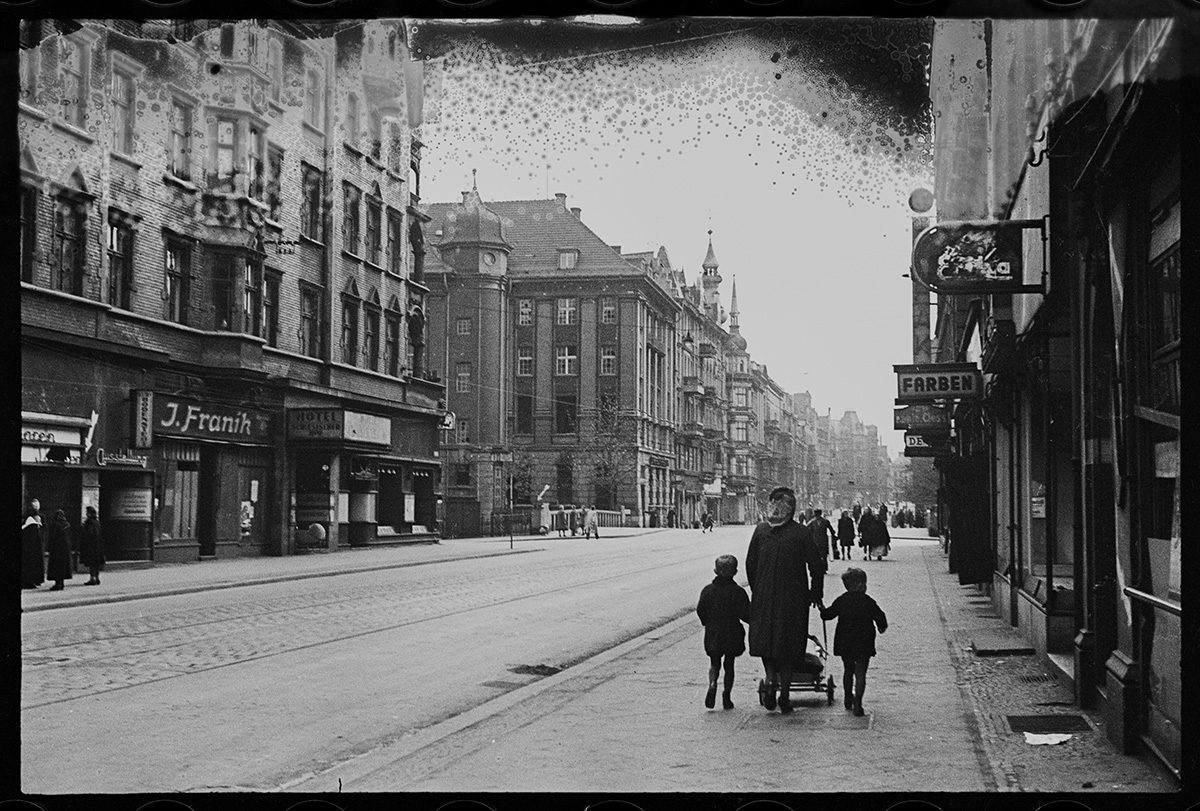
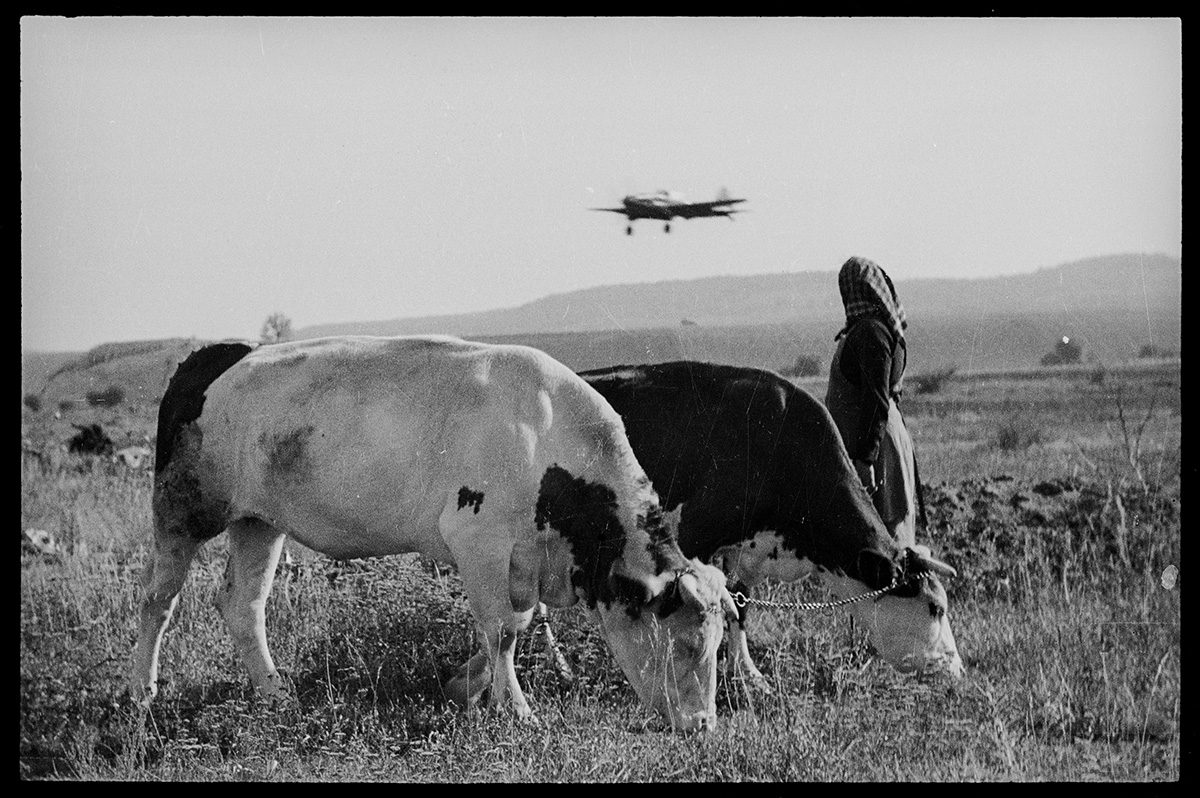
Аn exhibition of war photographs by Olga Ignatovich from the collection of Arthur Bondar. At PANDA platforma, we are able to show only a small portion of the recently discovered archive. Arthur Bondar’s find is represented far more fully in a book published last year, running to nearly 500 pages, whose title has lent the exhibition its name. The photographs of Olga Ignatovich are not always easy to attribute. Her pictures — the work of a member of the ‘Ignatovich Brigade’, an essentially independent photographic agency established in 1932 by Olga’s elder brother, the celebrated photographer Boris Ignatovich — were signed, until the late 1930s, simply as ‘Ignatovich’, without any forename, as were the works of Boris and Olga’s younger sisters — Elizaveta, Arkadia, and Elena. It is to the restoration of a name, to the restoration of memory, to the candid gaze of Olga Ignatovich, that this exhibition is dedicated.
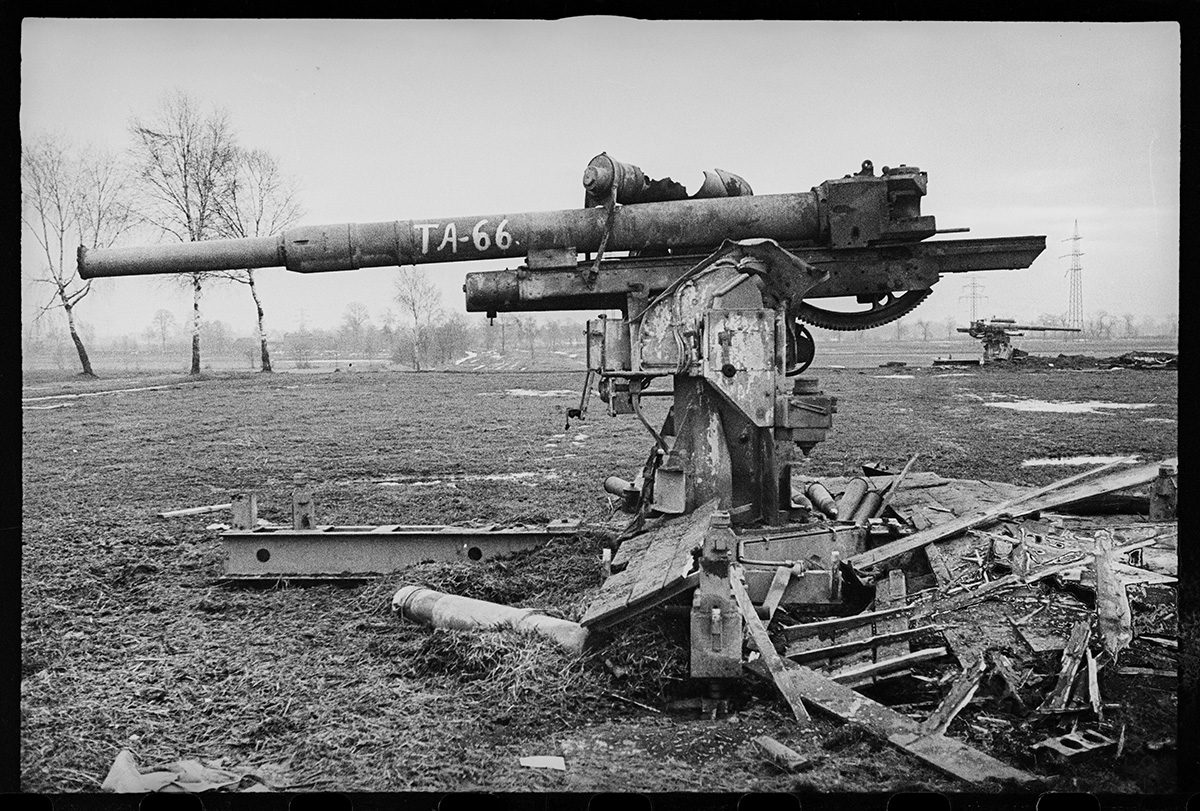
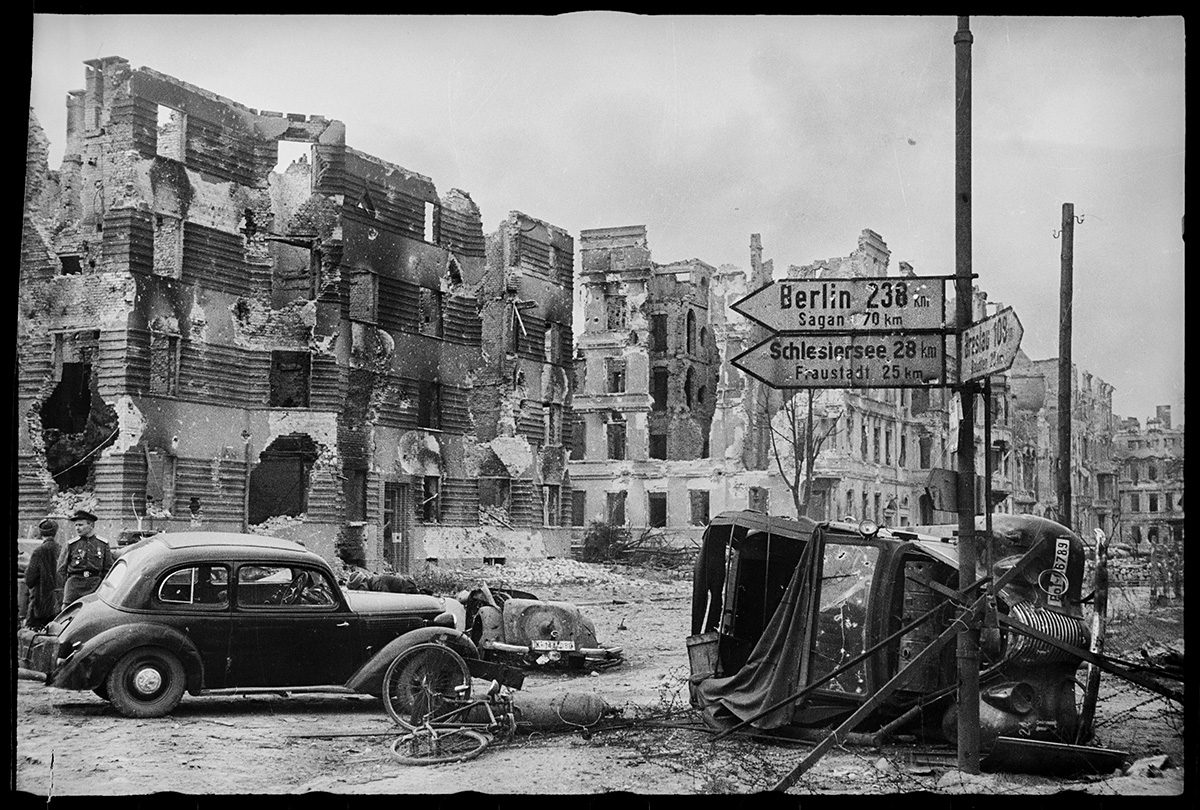
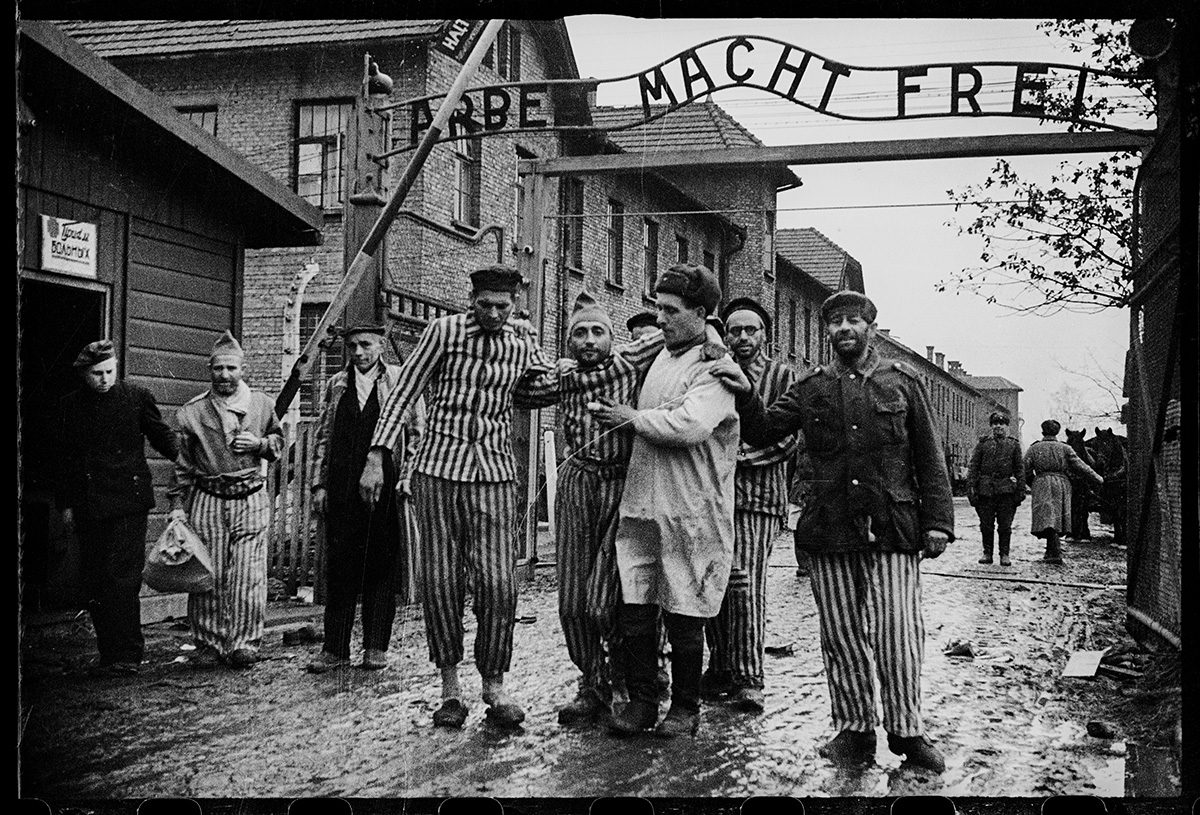
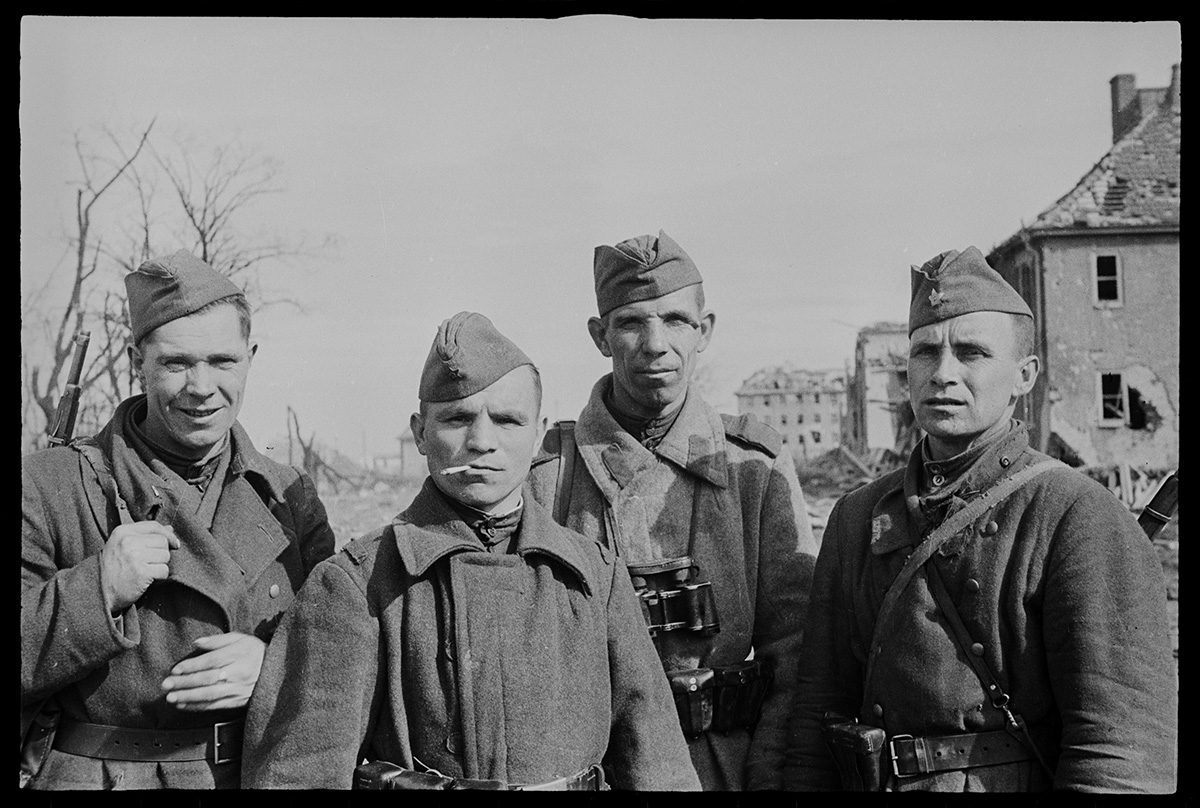
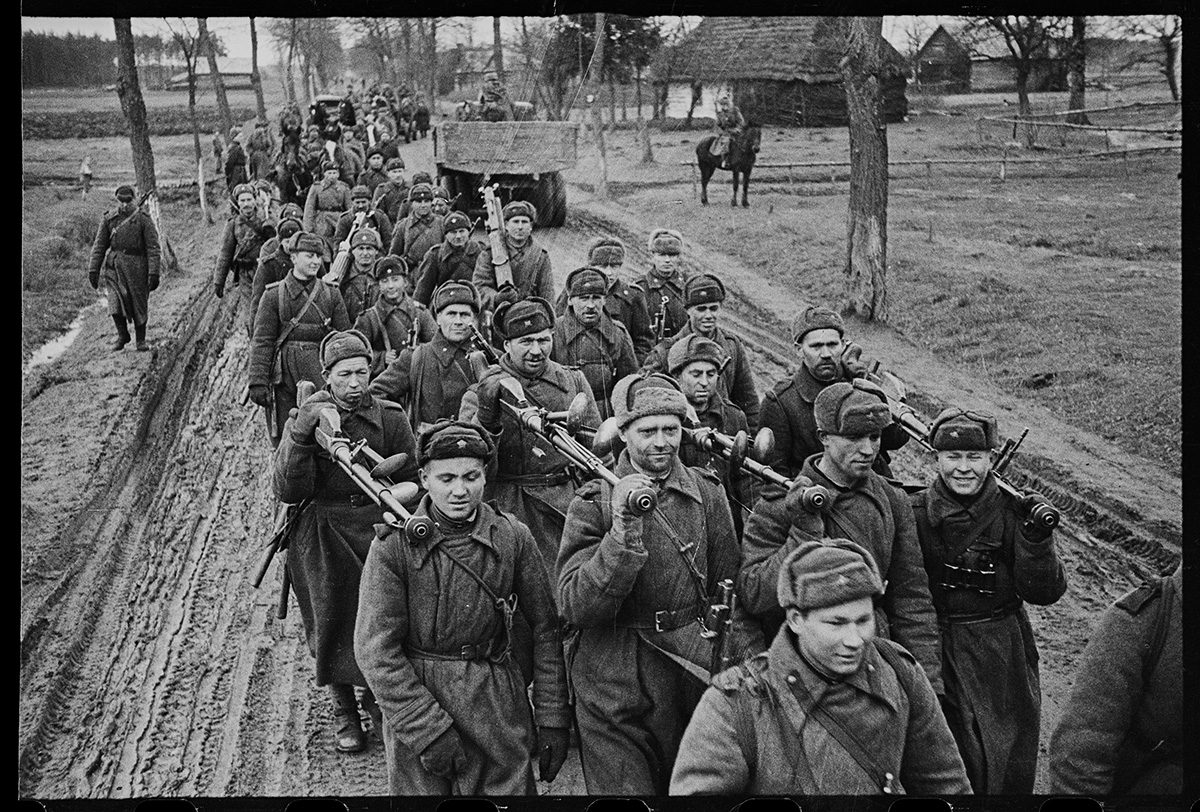
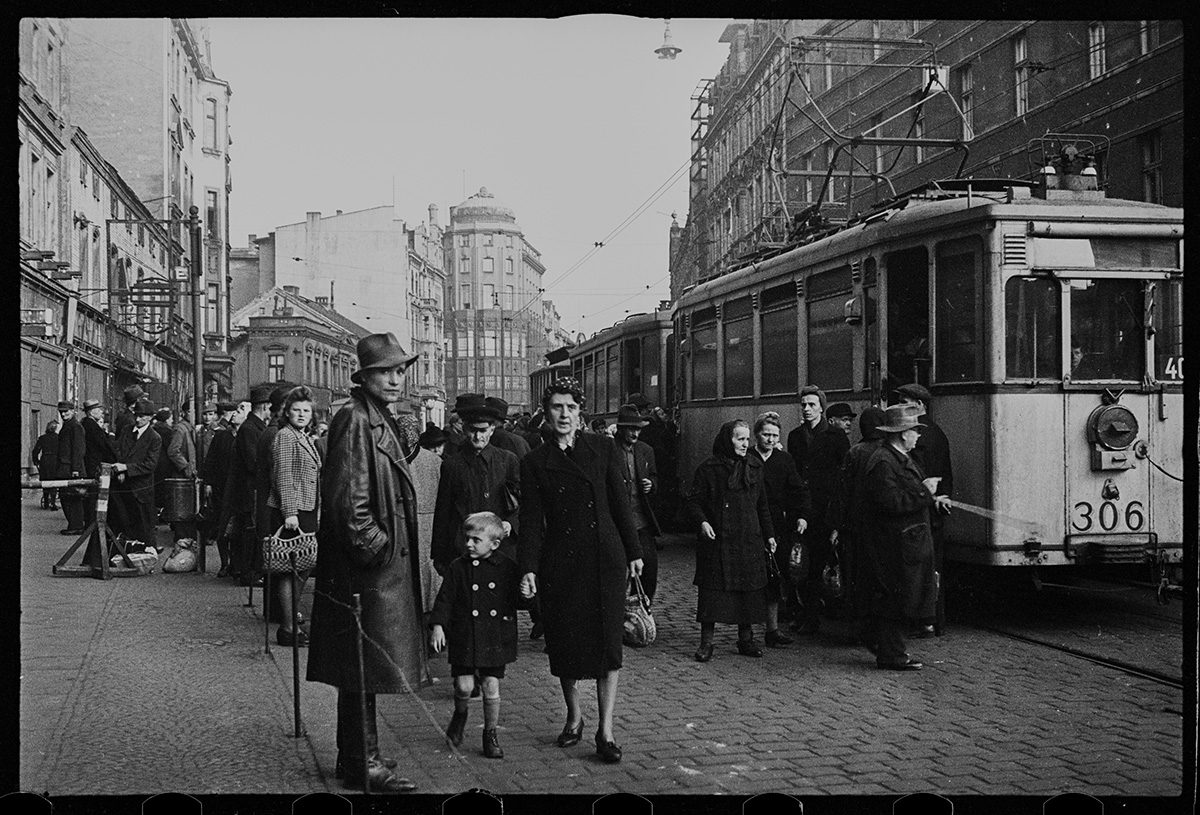
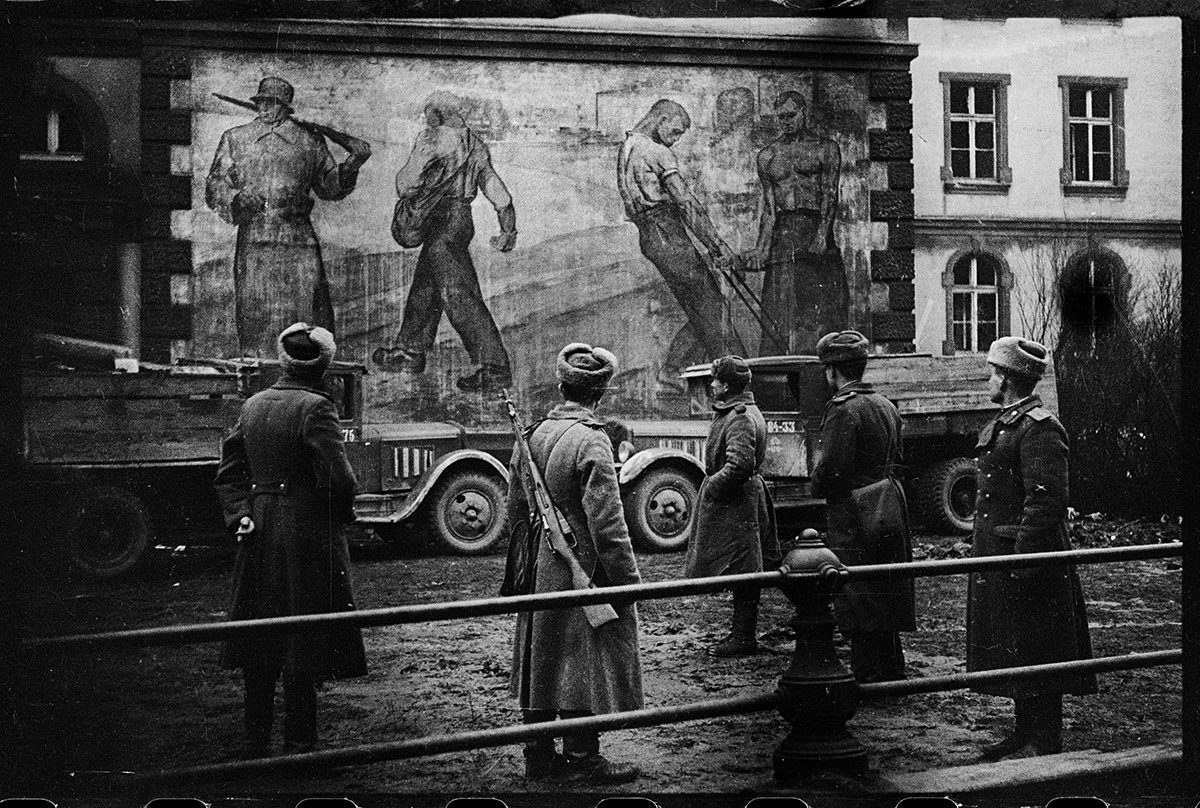
Olga Vsevolodovna Ignatovich (July 24, 1905 – March 21, 1984)
According to some sources, Olga Vsevolodovna Ignatovich was born in the city of Slutsk (Belarus); according to others, she was born in the city of Łódź (Poland) in 1905. She was the younger sister of the famous Soviet photojournalist and experimentalist in the field of the visual language of photography, Boris Vsevolodovich Ignatovich. Together with her brother, she worked at the newspaper “Bednota” and the magazine “Narpit”, and from the mid-1930s, at the newspaper “Vechernyaya Moskva”. Olga was a member of the “Ignatovich Brigade” at Soyuzfoto. Boris also encouraged his two other sisters to take up photography, but only Olga demonstrated outstanding talent.
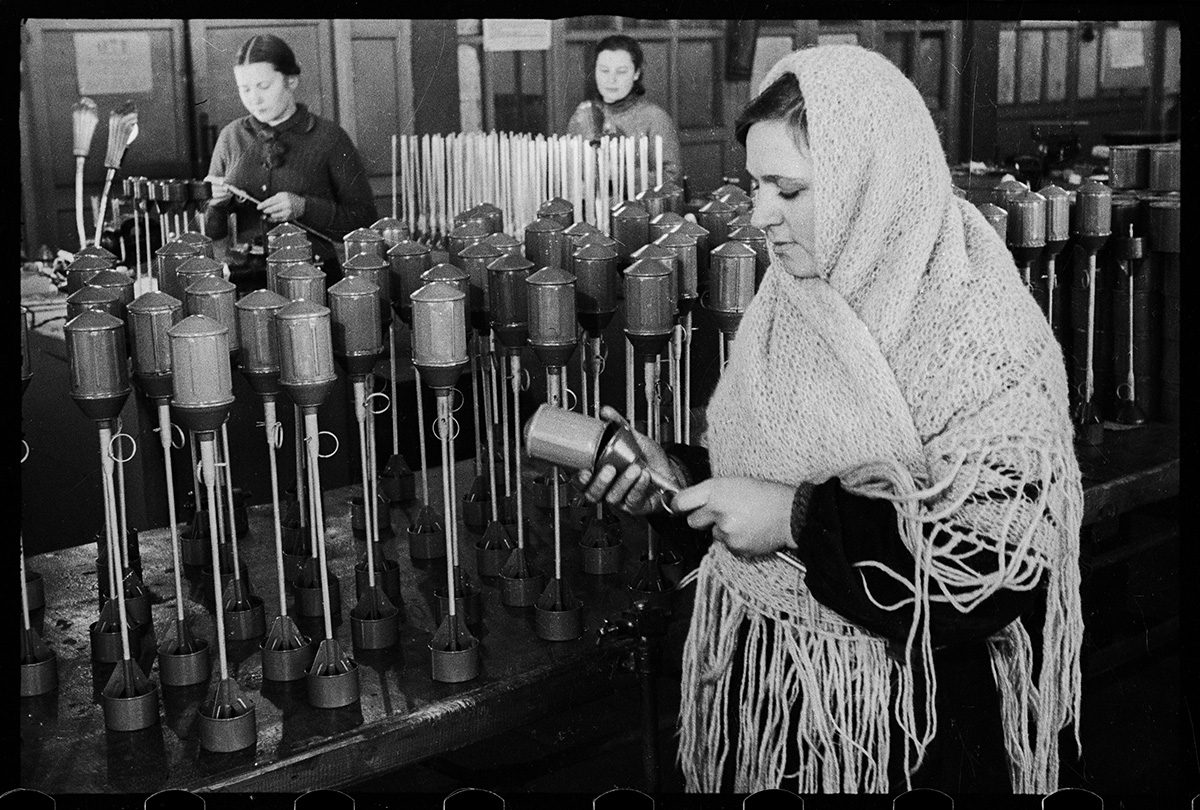
When German troops began their invasion of Soviet territory, Olga Ignatovich enlisted in the Red Army in November 1941 as a war photojournalist. From the very first months of the war, she served as a photojournalist for the Soviet front-line newspaper “Boevoye Znamya” of the 30th Army, which was reorganized in April 1943 into the 10th Guards Army (part of the Kalinin Front). In late 1943, Olga Vsevolodovna was assigned to the editorial staff of the newspaper “For the Honor of the Motherland” of the newly formed 1st Ukrainian Front. As a photojournalist for this newspaper, Olga Ignatovich documented the final two years of the war.
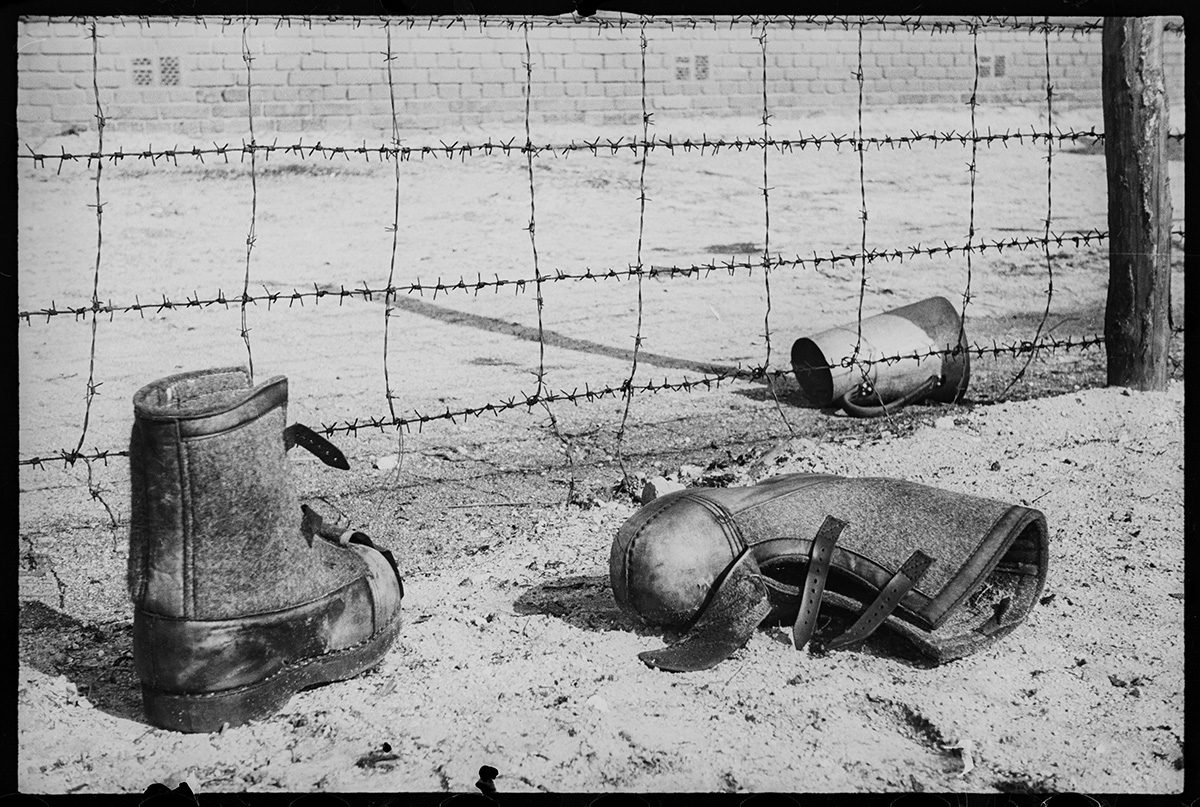
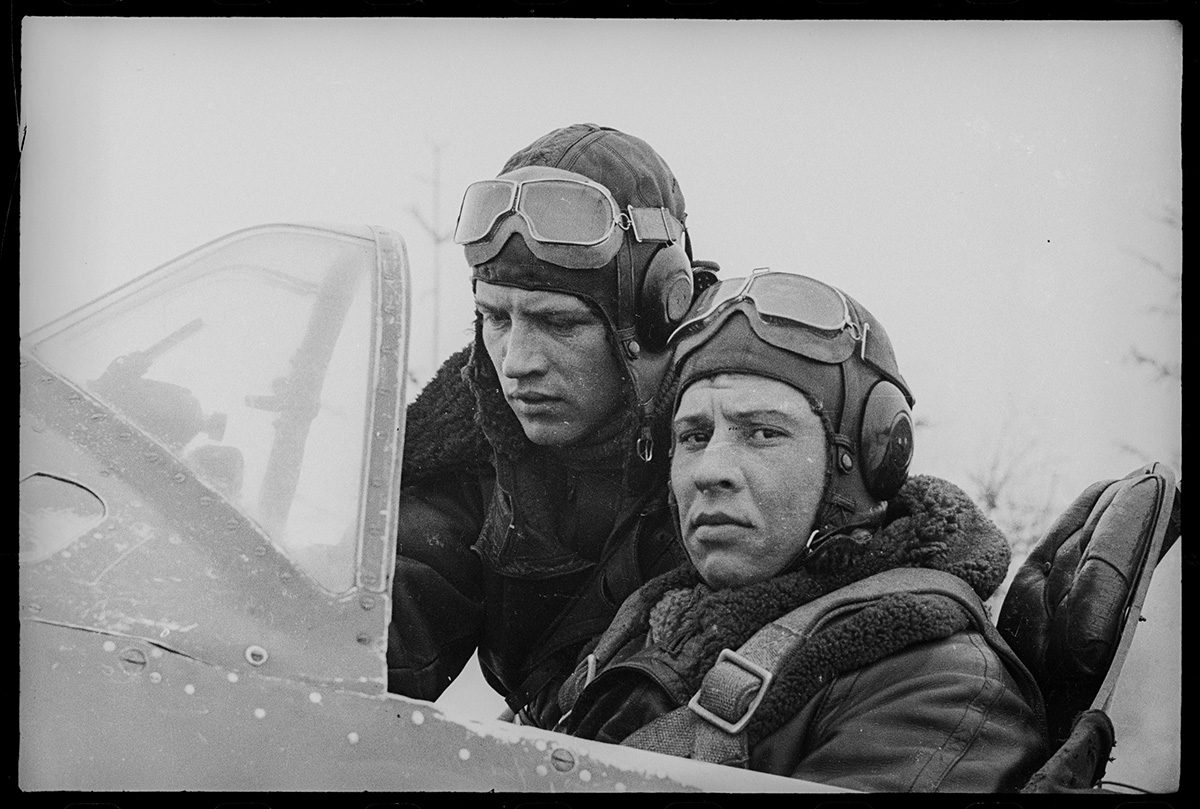
Among Olga Ignatovich’s most notable war photography works are: a series of photographs from liberated Rzhev, which she entered with units of the 30th Army (March 3, 1943), a series of photographs of famous pilots on the Kalinin Front (1942), and the Red Army’s advance westward under the command of Marshals Zhukov and Konev (1944–45). A separate chapter in Olga Ignatovich’s photographic legacy is her special assignment to photograph the German death camps of Majdanek (1944) and Auschwitz-Birkenau (1945), which had just been liberated by the Red Army. For a long time, the authorship of the world-famous photographs titled “The Liberation of Auschwitz” was attributed to Olga’s brother, Boris Ignatovich. The photographs taken by Olga Ignatovich at the Auschwitz death camp served as the basis for awarding Lieutenant Olga Ignatovich the Order of the Red Star. The photographs she took in the concentration camps were included in the materials of the Nuremberg Trials.
After the war ended, Olga Vsevolodovna continued her work for about another year, photographing the Red Army in Vienna, where the headquarters of the 1st Ukrainian Front, reorganized into the Central Group of Forces, was located.
But while we know quite a lot about Olga Ignatovich’s military career, very little information has survived about her postwar life. After her demobilization, Olga Ignatovich worked at Sovinformburo, and from 1961 onward, she continued her work at the Novosti Press Agency. From the late 1960s, she was an employee of the “Soviet Artist” publishing house. There are many gaps in Olga Vsevolodovna’s postwar biography; there is no information about her final years, the exact date of her death, or even her burial site.
Most of Olga Ignatovich’s photographic archive for many years was considered to be lost until it was recently discovered by photographer and collector Artur Bondar. Bondar also managed to find the grave of Olga Ignatovich, who died on March 21, 1984, and was buried at the Khimki Cemetery in Moscow.
Arthur Bondar (1983, Ukraine) – photographer, visual artist, publisher and collector. He works on his personal documentary and art projects that are centered around the themes of historical events, collective and private memories. He creates mixed media artworks, installations, documentary and conceptual works. Arthur has graduated from the Photography and Human Rights course of New York University. He was awarded with National Geographic Grant (2011), Magnum Emergency Fund (2012), The Documentary Project Fund (2013), the Best Photographer in Ukraine (2013) and Allard Prize (2016). He was nominated for the Foam Paul Huf Award and the Prix Pictet Award (2016).
His projects were exhibited as installations and exhibitions in different art institutions worldwide. Arthur cooperates with numerous international magazines, newspapers and online media. He is the author of 8 photobooks, among them: “Shadows of Wormwood”, “Signatures of War”, “Barricade: The Euromaidan Revolt”, “Valery Faminsky V.1945”, “The Verge”, “Olga Ignatovich. In the Shadow of the Big Brother”.
For many years Arthur Bondar has been collecting unknown WWII negatives all over the world, exploring and systematizing these historically unique and important documentary evidences. This collection consists of more than 15000 unknown visual evidences and different objects. Arthur Bondar exposes these historical heritage as complex projects and exhibitions with a different art and documentary approach, that allows us to look at WWII history from different perspectives.